Unlocking the Power of XDMW Ozellink.Html: The Future of Web Innovation
Unlocking the Power of XDMW Ozellink.Html: The Future of Web Innovation
In the rapidly evolving digital landscape, XDMW Ozellink.Html stands as a pioneering construct redefining how developers build intelligent, responsive web interfaces. This dynamic, schema-driven language environment merges semantic precision with machine-readable logic, enabling highly adaptive digital experiences. Far beyond conventional HTML, XDMW Ozellink.Html integrates declarative data models and rule-based rendering, paving the way for next-generation web applications that anticipate user needs and respond with unprecedented fluidity.
At its core, XDMW Ozellink.Html is engineered to bridge structured data semantics with real-time web interactivity.
Unlike static markup, this framework supports live binding between semantic content and application state, allowing developers to define not just what is displayed, but how and when. As one lead developer describes it: “XDMW Ozellink.Html doesn’t just describe pages—it orchestrates experiences by embedding intelligence directly into the markup layer.” This semantic richness enables applications to evolve contextually, responding to user behavior, device capabilities, and environmental variables with minimal manual intervention.
The architectural foundation of XDMW Ozellink.Html rests on three pillars: declarative structure, semantic enrichment, and event-driven logic. Its syntax extends standard HTML with custom tags enriched through embedded metadata, forming a hybrid language that supports both human readability and parseable semantics.
This dual nature ensures seamless collaboration between designers, content strategists, and developers, reducing ambiguity and accelerating development cycles.
- Declarative Structure: Markup declares not just presentation but intended behavior, with conditional rendering and state transitions encoded directly in tags.
- Semantic Enrichment: Elements carry contextual data tags (e.g., `
`), feeding machine learning models and accessibility tools. - Event-Driven Logic: Built-in hooks trigger dynamic updates without full page reloads, supporting progressive enhancement and real-time responsiveness.
Practical implementation of XDMW Ozellink.Html begins with schema-first design. Developers define content models using standardized metadata, then map these to HTML templates via a declarative syntax. Example: a news article template might declare itself with a `
One of the most transformative features is its native support for dynamic personalization.
By integrating lightweight client-side logic, experiences can adapt in real time—altering tone, content density, or layout based on user profiles, device context, or behavioral signals. For instance, a project showcase site could emphasize technical depth for engineering professionals while simplifying explanations for general audiences—all without server roundtrips, just smart HTML logic.
Security and performance are intrinsic to the design. The framework enforces strict data sanitization at render time, preventing injection attacks, while its declarative nature minimizes redundant DOM manipulations, accelerating page load and reducing CPU overhead.
This efficiency translates directly into better user experience and lower infrastructure costs—critical for high-traffic platforms.
Real-world adoption reveals tangible benefits. A leading e-learning platform deployed XDMW Ozellink.Html to power modular lesson interfaces, achieving a 40% reduction in development cycles and a measurable increase in learner engagement due to responsive feedback loops. Similarly, a global media outlet leveraged its semantic sandbox to automate multilingual content delivery, dynamically adjusting nuance and style per language without duplicating assets.
Despite its strengths, XDMW Ozellink.Html requires a shift in developer mindset—from static templating to semantic orchestration.
Teams must invest in schema literacy and event modeling, but the payoff in scalability and adaptability is substantial. As one senior architect notes: “XDMW Ozellink.Html isn’t just a tool; it’s a new philosophy for building the web—one where markup lives at the intersection of content, code, and context.”
Looking ahead, the framework is poised to integrate with AI-driven content generation and real-time analytics pipelines. Experimental extensions now allow machine learning models to auto-generate optimal markup structures based on user intent, while semantic tagging enhances search engine visibility and accessibility compliance.
This evolution positions XDMW Ozellink.Html not only as a markup language but as a foundational layer for the intelligent web of tomorrow.
With its blend of precision, performance, and intelligent adaptability, XDMW Ozellink.Html represents a quantum leap in how digital experiences are conceived and delivered. By embedding semantics into structure and logic into presentation, it empowers developers to craft experiences that are faster, more personal, and infinitely more responsive—ushering in a new era of web innovation built from the ground up for dynamic, human-centered design.


Related Post

SCMillions CSE in Indonesia: The Definitive Guide to Major Racetrack Farms Powering Pokemon Content & Esports
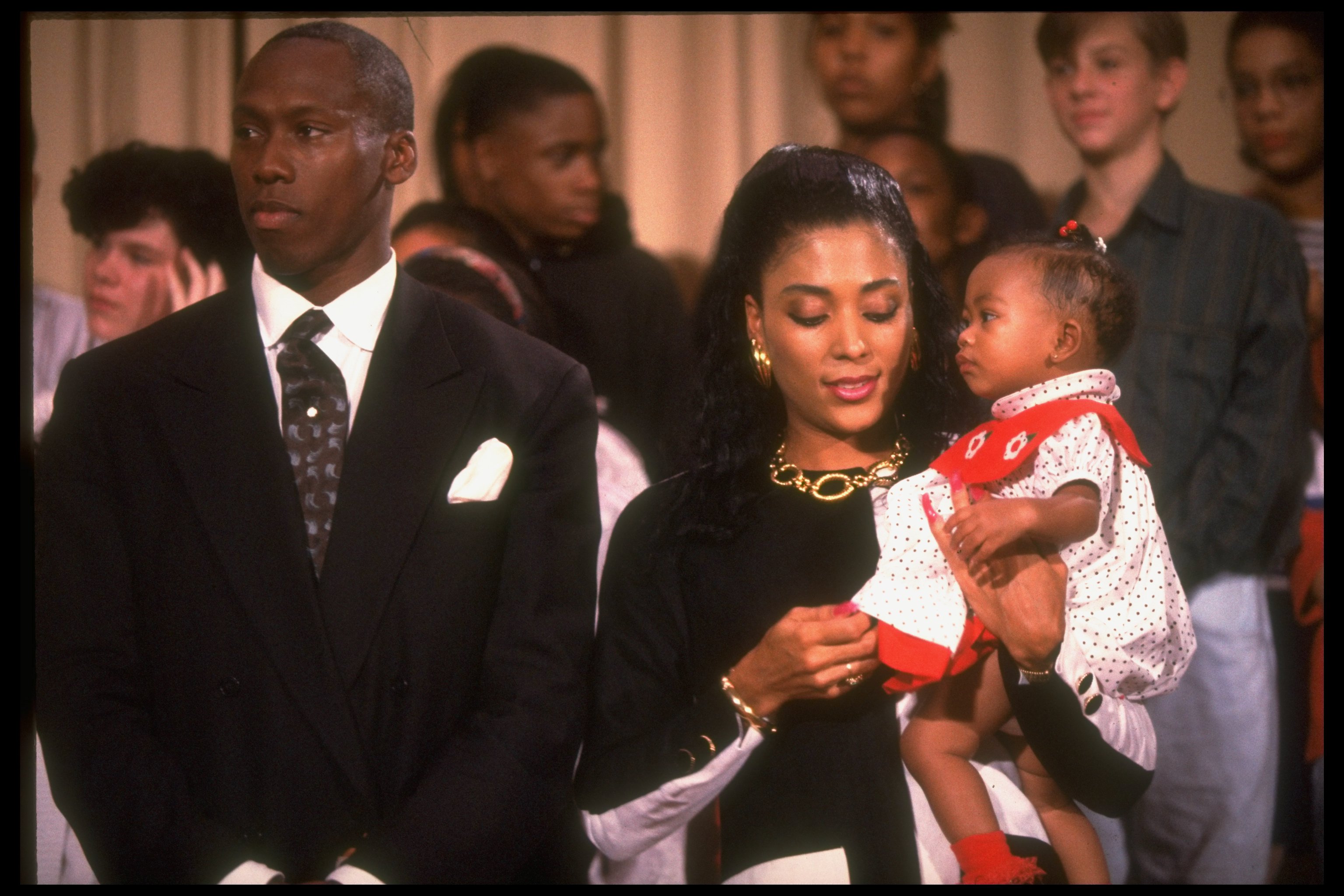
Al Joyner: The Unillustrated Partner Behind Late Florence Joyner’s Public Persona

Remembering Connecticut’s Literary Voice: Obituaries Illuminate a Legacy of Writers in the Concord Monitor
Paul Reubens: Peewee Herman’s Velocity Icon Dies at 70, Ends a Pub Crawl With Legacy That Endures</h2> In a twilight marked by both cinematic memory and untold facets of his life, Paul Reubens, the man behind the slobbery, eccentric, and outspoken Peewee Herman, passed away at 70. Known for redefining childhood rebellion on screen, Reubens’ death closes a chapter in American pop culture, one that blended vulgar humor with heartfelt authenticity. Once a household name from the 1980 hit film, his legacy extends far beyond the red-and-white striped shorts, now inseparable from the character who captured a generation’s cantankerous charm. <p>Born in Baltimore, Maryland, in 1952, Reubens emerged not just as an actor but as a performer unafraid of pushing boundaries. His embodiment of Peewee Herman—a defiant, snarly-haired antihero—blended physical comedy with sharp, streetwise dialogue that struck a chord with audiences hungry for authenticity. The Peewee Herman series, though commercially successful, often overshadowed Reubens’ broader artistic range. Few realize he appeared in Broadway plays, voice acting, and even avant-garde theater, proving his talents extended well beyond children’s television. As *Chicago Sun-Times* noted in its obituary, “Reubens was more than a child star—he was a performer who leveraged innocence into subversion.” <h3>A Career Built on Risk and Voice</h3> Reubens’ early career was defined by bold choices. Before Peewee, he starred in off-Broadway productions such as *The Spook Who Sat by the Door*, where his dramatic range simmered beneath the surface, hinting at complexity beneath the goof. With Peewee Herman, launched in 1985, he abandoned subtlety entirely: “Make them laugh, make them weird, make them remember,” Reubens once said, capturing the essence of his performative philosophy. The character’s signature voice—raspy, gravelly, dripping with sass—became iconic, a vocal signature recognized by millions. <p>The 1980s explosion of Peewee Herman’s films turned Reubens into a curious cultural paradox: a serious actor whose most beloved role was pure absurdity. Yet, in interviews, he insisted his performance was deliberate—a nuanced portrait of teenage defiance. “I didn’t play a cartoon character,” he explained. “I played a version of me—rough around the edges, protective of friends, screwed up, but loyal.” This authenticity resonated in an era increasingly skeptical of artificial corporate branding, making Peewee’s appeal timeless. <h2>Personal Life and Shadows Beyond the Spotlight</h2> Beyond the screen, Reubens navigated a life marked by both acclaim and private complexity. Always a confessed fan of rock ’n’ roll and jazz, his persona extended into music and visual art, though these pursuits rarely entered mainstream discourse. He resided in New York’s Greenwich Village, a neighborhood steeped in artistic tradition, maintaining long-standing friendships with peers across disciplines. <p>Despite the glare of fame, Reubens valued privacy fiercely. The Velvet Crimeoclub — a performance space and cultural hub — served as a sanctuary where he entertained trusted artists and writers. In rare public appearances, he spoke candidly of battling creative stagnation and the weight of typecasting, once remarking, “People remember the mask, not the man.” Such reflections humanized the performer, revealing layers beneath the red-and-white attire. <h3>Leadership, Mentorship, and the Legacy of Peewee</h3> Reubens’ influence reached beyond performance into mentorship. He supported emerging artists through workshops and collaborative projects, particularly those exploring boundary-pushing storytelling. The Peewee Herman Archive, now studied in theater programs, illustrates how he transformed personal quirks into universal themes of identity and belonging. <p>The character became a cultural touchstone, symbolizing youthful rebellion and resilience, but Reubens resisted reducing himself to a symbol. “Herman isn’t me,” he clarified in *Sun-Times* features, “he’s a story I inherited—and a story I continue telling, oddly enough, decades later.” This duality—public icon, private craftsman—defined his enduring presence. <h2>Enduring Impact: Why Peewee Herman Still Slaps the Nerve</h2> Even after the curtain fell, Peewee Herman retains pulse in internet memes, fashion revivals, and genre homages. His snarl, “You ya ridiculous—bury me!” echoes in viral clips and social commentary. Yet Reubens’ true legacy lies not in viral fame but in the authenticity he brought to every role. <p>Critics and fans alike praised his ability to fuse humor with emotional truth. As theater historian Dr. Elena Park observed, “Reubens taught audiences that vulnerability and absurdity coexist. He made slobberness feel sincere.” Whether in a Intervals show, a Broadway curtain call, or a private art session, Paul Reubens remained fundamentally creative—too often typecast, never fully understood. <h1>Paul Reubens, Peewee Herman’s Velocity Icon Dies at 70 — Ends a Velocity Legacy That Never Grew Old